How to Purchase a Domain and Connect It to Your Hosting Provider in 2026

Acquiring a digital identity begins with the decision to purchase a domain name that aligns with your brand or personal project. In the current 2026 landscape, a domain name serves as the foundation of your online presence, acting as both a memorable address for users and a critical asset for your infrastructure. Once you have secured your desired namespace, the technical process of integration with a hosting provider is essential to ensure your site is reachable across the internet.

Quick Summary
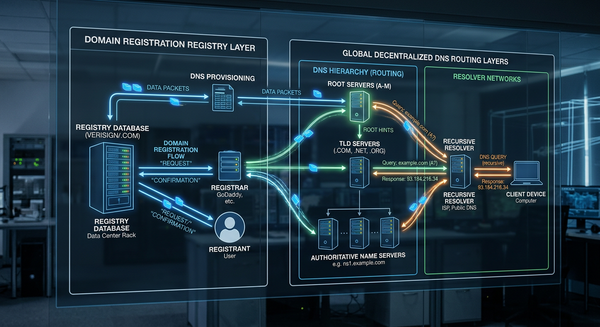
To purchase a domain and integrate it with hosting, you must register the name through an accredited registrar, configure the Domain Name System (DNS) settings, and link the A or CNAME records to your specific hosting server. This process creates the necessary bridge between your web address and your live files.
- Choose a clear, brand-aligned domain name.
- Select a reliable registrar to secure the registration.
- Point the domain DNS records toward your hosting service.
- Verify connectivity and install SSL certificates for security.
Table of Contents
- Selecting and Registering Your Domain
- Configuring DNS for Hosting Integration
- Linking Your Domain to Web Servers
- Common Pitfalls and Troubleshooting
- FAQ
- Recommended Reads
Selecting and Registering Your Domain
Choosing the right domain name involves balancing brand identity with technical searchability. The best domain names are concise, avoid hyphenation or complex spellings, and use widely recognized top-level domains (TLDs). When you prepare to purchase a domain, perform a thorough search to ensure the name is available and not currently infringing on existing trademarks. Professional domain industry investment strategies often favor names that are easy to type and memorable for human users, as these provide the highest long-term utility.
Once the ideal name is identified, you must complete the registration through an ICANN-accredited registrar. During the checkout process, you will be required to provide contact information for the WHOIS database - though many registrars offer privacy protection to mask personal details. It is crucial to ensure that your registration account is secured with multi-factor authentication, as this domain is your primary digital real estate.
Configuring DNS for Hosting Integration
After you purchase a domain, the next step is establishing control over its DNS settings. DNS functions as the internet's phonebook, translating your human-readable URL into an IP address that browsers can use to locate your server. Many users opt to keep the domain registration and hosting services separate to maintain operational flexibility, though some providers offer integrated solutions where the registrar and host are the same entity.
To begin integration, access your registrar's control panel and locate the DNS management or Nameserver (NS) settings. If your host provides specific nameservers, you will update the NS records to point to those servers. Alternatively, you can use the default registrar nameservers and manually update the A records. This step creates the vital link that allows the internet to understand where your website content is physically hosted.
Pro Tip: If you intend to use a specific platform like a SiteGround domain setup, ensure that you check their support documentation for the specific TTL (Time To Live) settings. Lower TTL values during the initial transition can help propagate your changes across the global web faster.
Linking Your Domain to Web Servers
Once your DNS records are pointed toward your hosting provider, the final step involves associating the domain within the hosting control panel itself. Most modern hosting providers require that you 'add' the domain to your account to generate the necessary directory structure on the server. This process often involves verifying domain ownership through a TXT record or by pointing the domain to the server's specific IP address.
After adding the domain, you must focus on site accessibility. This includes installing an SSL/TLS certificate to enable HTTPS, which is a standard requirement for security and search performance. As you transition into active registry operations, you will find that maintaining consistent DNS hygiene is paramount to ensuring that your domain usage remains stable and secure for all incoming traffic.
Common Pitfalls and Troubleshooting
One of the most frequent issues during domain integration is 'DNS propagation delay.' This is the time it takes for global DNS servers to recognize your changes, which can take anywhere from a few minutes to 48 hours. Users often mistakenly believe their site is broken when it is simply a delay in the network update. Avoid clearing your local browser cache repeatedly; instead, use public DNS propagation checkers to see if the changes have taken effect globally.
Another common mistake involves incorrect A record configurations. If you enter an incorrect IP address, your domain will fail to resolve. Always copy and paste the IP address provided by your hosting dashboard rather than typing it manually. Furthermore, ensure that you are not accidentally setting up conflicting CNAME and A records for the same subdomain, as this can cause unpredictable routing issues.
FAQ
How long does it take for a domain to link to a host?
Most DNS updates propagate within 1 to 4 hours, though they can officially take up to 48 hours. You can monitor progress using online DNS propagation tools.
Do I need to buy hosting from the same place I bought my domain?
No, you can purchase a domain from one registrar and point it to a different hosting provider using DNS records. This is a standard industry practice.
What is an A record?
An A record is a type of DNS record that maps a domain name directly to the IPv4 address of the server where your website is stored.
Can I change my domain later if I change my mind?
While you cannot 'edit' a registered domain name, you can always purchase a new one and redirect it. However, this may affect your search engine ranking, so it is best to choose carefully from the start.